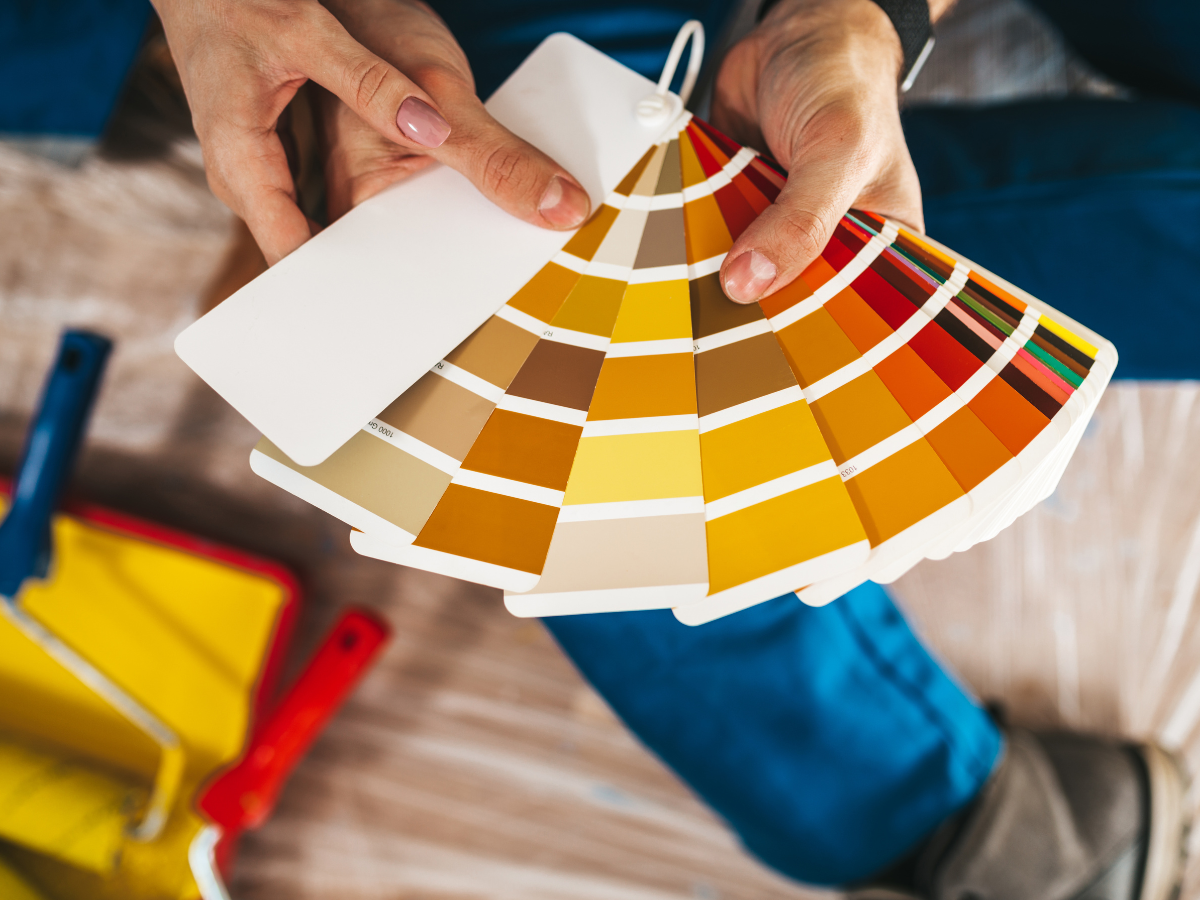
Choosing a paint color sounds simple until you’re staring at dozens of nearly identical shades under different lighting. What looks perfect on a swatch can feel completely different once it’s on your walls.
Knowing how to choose the perfect paint color for your home helps you avoid costly mistakes and create a space that feels cohesive and intentional.
Color isn’t just about preference. It’s influenced by natural light, room size, existing finishes, and how each space is used throughout the day. The right choice can make a room feel larger, brighter, and more inviting, while the wrong one can throw off the entire design.
With a clear approach, you can narrow your options, test colors effectively, and select a palette that works beautifully across your home.
A Simple Guide on How to Choose Paint Colors for Your Home
What Are The Key Factors To Consider When Selecting Paint Colors For Your Home?
Choosing the right paint color involves more than picking a shade you like. It requires thinking about how each room is used, how light interacts with the space, and how different colors influence the overall feel.
Understanding how to choose paint colors for your home starts with looking at these practical details rather than relying on appearance alone.
Each room has a purpose, and color can support that purpose in subtle ways. Bedrooms are often meant for rest, so softer tones like cool blues and muted greens tend to create a more relaxed environment.
Living rooms, where people gather and spend time together, usually benefit from warm neutrals or light pastels that feel welcoming without being overwhelming. Kitchens, which are more active spaces, often work well with brighter shades that reflect energy and cleanliness.
Lighting is another important factor. Natural light changes throughout the day, and artificial lighting can shift how a color appears depending on the bulb type. A shade that looks balanced in one room may appear darker or cooler in another.
Because of this, testing colors in both daylight and evening conditions can help you avoid surprises once the paint is applied.
How Does Room Function Influence Paint Color Choices?
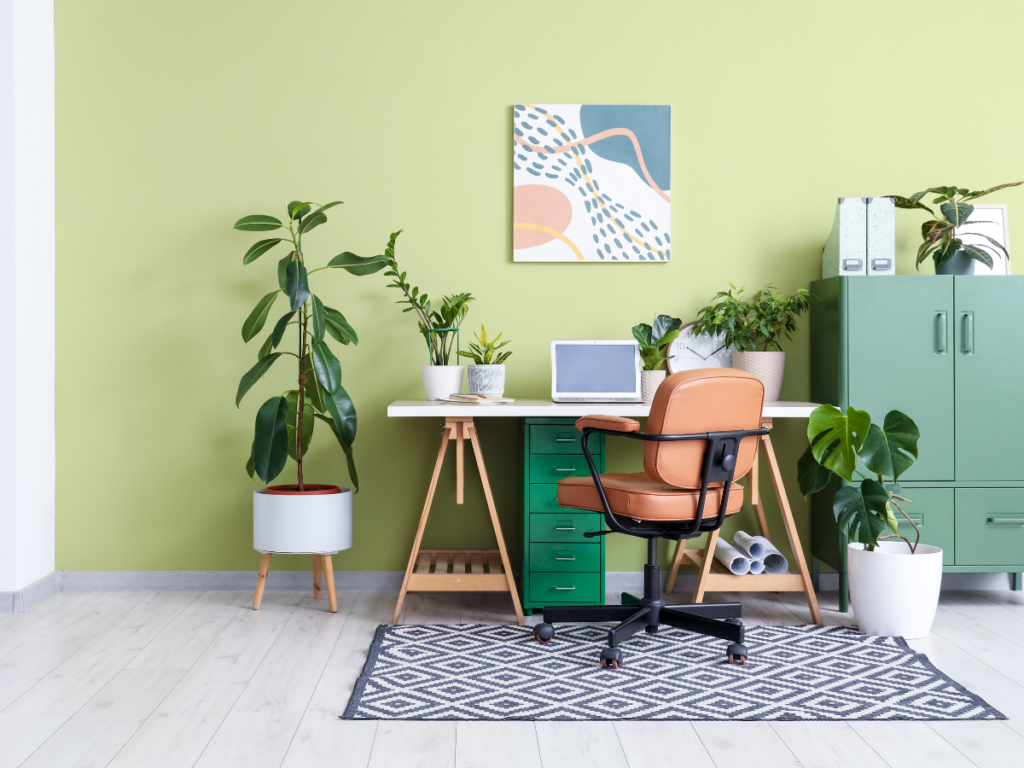
Room function plays a direct role in how color should be used. Spaces designed for focus, such as a home office, may benefit from slightly more energizing tones.
Subtle yellows or warm shades can help create a sense of clarity without becoming distracting. In contrast, areas meant for relaxation, like bedrooms, tend to work better with softer and more muted colors.
Room size and layout also influence how colors are perceived. Lighter tones can make smaller spaces feel more open, while darker shades can add depth and warmth to larger rooms.
This does not mean one approach is better than the other, but it does show how color can shape the way a room feels.
Research has shown that brighter surfaces can make spaces appear larger by creating the impression that walls and ceilings are farther away.
This effect can be useful in compact areas where a sense of openness is important. On the other hand, deeper tones can make larger rooms feel more comfortable and grounded.
Using Color Pairings As A Starting Point
A simple way to approach how to choose paint colors for your home is to match general color families with how each room is used. While personal style should always guide the final decision, these pairings can provide a helpful starting point.
Living rooms often work well with warm neutrals or soft pastels that support social interaction. Bedrooms tend to feel more restful with cool tones like blues and greens.
Kitchens and activity areas can benefit from brighter shades such as whites or light yellows that keep the space feeling fresh.
These guidelines are not strict rules, but they can help narrow down options and make the selection process more manageable.
Bringing Your Color Choices Together
Choosing paint colors becomes easier when you consider function, lighting, and spatial effects together. By testing colors in real conditions and thinking about how each room is used, you can create a more balanced and cohesive look.
Taking a thoughtful approach to how to choose paint colors for your home helps ensure that your choices feel right not only at first glance, but over time as well.
Why Is Understanding Color Psychology Important in Home Painting?

Color does more than change how a room looks. It can influence how a space feels and how people interact within it.
That is why understanding color psychology is an important part of how to choose paint colors for your home. The right color can support your daily routine, while the wrong one can make a space feel uncomfortable over time.
Different color families tend to create different emotional responses. Warmer tones, such as reds and oranges, are often associated with energy and activity.
These shades can work well in areas where people gather, like dining rooms or living spaces, because they help create a more social and engaging environment. However, using them too heavily in quiet areas may feel overwhelming.
Cooler tones, such as blues and greens, tend to have the opposite effect. They are often linked to calmness and relaxation, which makes them a natural fit for bedrooms and other restful spaces.
These colors can help create a sense of balance, especially in rooms where you want to slow down and unwind at the end of the day.
Matching Color To Daily Use
When thinking about how to choose paint colors for your home, it helps to connect color choices with how each room is used.
A space that is meant for focus, such as a home office, may benefit from colors that feel clear and steady rather than overly bold. In contrast, shared spaces can handle a bit more warmth or variation without feeling distracting.
It is also important to consider how long you spend in each room. A color that feels appealing at first may not hold up if it becomes tiring after extended use.
This is why softer or more neutral versions of bold colors are often a safer choice for larger areas. They still provide character without overwhelming the space.
Balancing Personal Preference And Function
While color psychology offers useful guidance, it should not override personal preference. The goal is to find a balance between what feels right to you and what works well for the space. A color you enjoy can still be effective if it is used thoughtfully and in the right context.
Testing colors in smaller sections of a room can help you see how they feel throughout the day. This step allows you to adjust before committing fully. It also helps you understand how the color interacts with furniture, flooring, and lighting.
Creating A Cohesive Home Environment
Using color psychology as part of your decision process can make your home feel more connected and intentional. When each room supports its purpose, the overall flow of the home becomes more comfortable and consistent.
Learning how to choose paint colors for your home is not just about matching shades. It is about creating spaces that support how you live, move, and relax each day.
How Does Lighting Affect the Appearance of Paint Colors in Different Rooms?
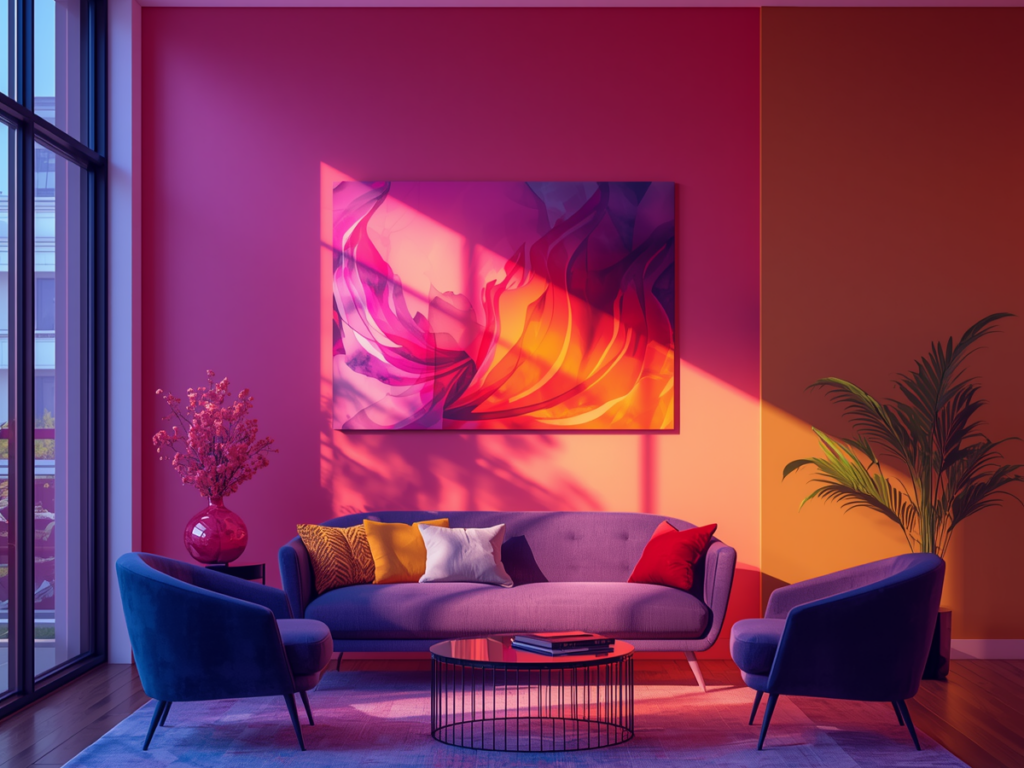
Lighting has a direct impact on how paint looks once it is on your walls. A color that appears warm and balanced in one room can look cooler or more muted in another, simply because of the light source.
When learning how to choose paint colors for your home, understanding this shift can help you avoid unexpected results.
Natural daylight tends to show a color more clearly, especially during midday when the light is strongest.
In contrast, artificial lighting can change the tone of a paint color depending on the type of bulb being used. Some lighting will bring out warmer undertones, while others can make the same color feel cooler or slightly dull.
Because lighting conditions vary from room to room, it is important to think about how each space is used throughout the day.
A room with large windows may look very different in the evening once artificial lighting takes over. This change can affect how comfortable or balanced the space feels, especially with certain color choices.
What Are The Differences Between Natural And Artificial Lighting On Paint Colors?
Natural light is often considered the most accurate way to view a paint color. It highlights the true tone and depth of the shade without adding a strong color cast.
Rooms that receive steady daylight tend to show colors in a more consistent way, though even natural light shifts from morning to evening.
Artificial lighting, on the other hand, can vary widely. Warmer bulbs tend to bring out yellow or orange undertones, which can make neutral colors feel softer.
Cooler lighting, often found in some LED fixtures, can give the same color a slightly blue or gray appearance. These differences may seem subtle at first, but they become more noticeable across larger surfaces.
Research into modern lighting systems has shown that different light sources can alter how paint is perceived.
This is why it is helpful to consider the dominant light source in each room. Spaces that rely heavily on artificial lighting may require more careful color selection to maintain a consistent look.
How To Test Paint Colors Under Real Lighting Conditions
Testing paint before committing is one of the most practical steps in how to choose paint colors for your home. Small samples can give you a better sense of how a color behaves in your specific environment.
Start by applying sample patches directly to your walls. This allows you to see how the color interacts with your space rather than relying on a swatch.
Check the samples at different times of day to notice how they change in natural light. Then observe them again in the evening under your regular lighting.
It is also helpful to think about the orientation of the room. Spaces that face different directions may receive varying amounts of sunlight, which can influence how bright or muted a color appears. Taking these details into account can help you make a more confident decision.
Creating Consistent Results Across Your Home
When lighting is considered early in the process, it becomes easier to create a cohesive look from room to room. Colors that work well in one space may need slight adjustments in another to account for different lighting conditions.
Understanding how to choose paint colors for your home means looking beyond the color itself and considering how it will be seen throughout the day.
By testing samples and paying attention to lighting, you can choose shades that feel consistent, comfortable, and well-suited to each space.
What Are The Top Paint Color Trends For Home Interiors In 2026?
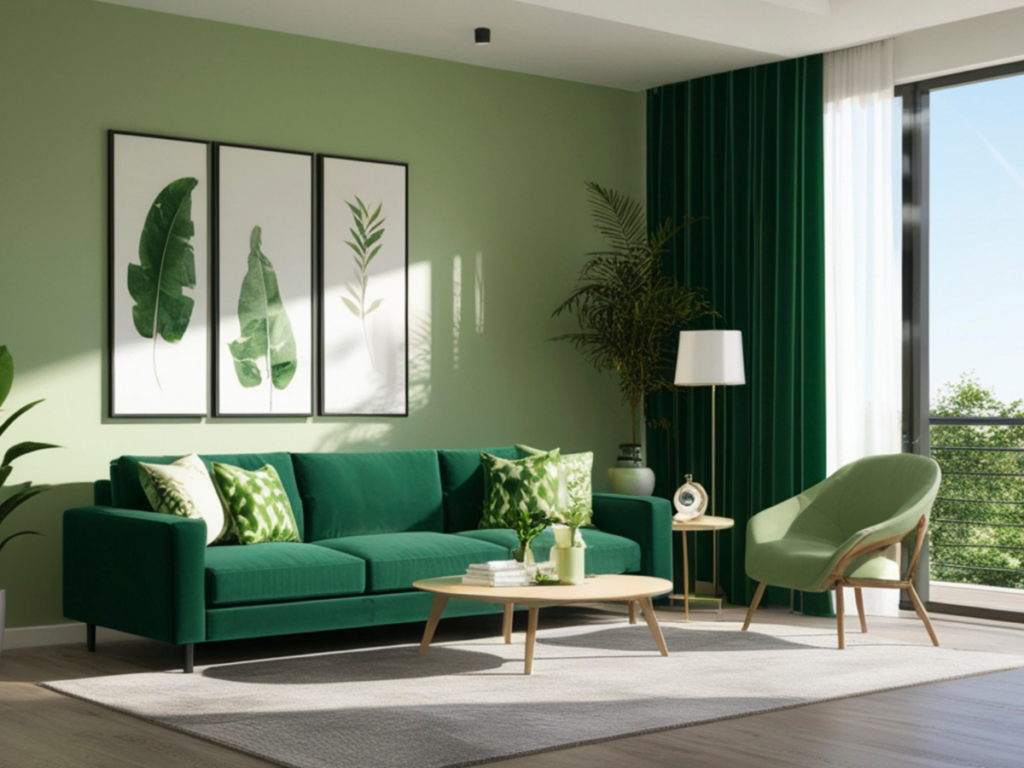
Paint trends continue to shift toward colors that feel natural, flexible, and easy to live with.
Instead of dramatic changes, many homeowners are choosing shades that create a steady, comfortable environment while still adding some personality.
Understanding these trends can make it easier to decide how to choose paint colors for your home without feeling overwhelmed by too many options.
In recent years, there has been a clear move toward palettes that feel grounded. Colors inspired by nature are becoming more common, along with a renewed interest in subtle contrast rather than bold, full room color changes. The result is a style that feels current but still holds up over time.
Earthy Tones That Feel Natural And Balanced
Earthy tones are one of the most noticeable shifts in interior color choices. Shades like terracotta, clay, and olive green are being used more often because they bring a sense of warmth without feeling too strong.
These colors tend to work well in both modern and traditional spaces, which makes them a practical choice for a wide range of homes.
One reason these tones are popular is their ability to create a calm atmosphere while still adding depth. They can be used across larger areas without feeling overwhelming, especially when paired with simple furnishings and natural materials.
For homeowners thinking about how to choose paint colors for your home, earthy tones offer a balance between style and comfort.
Bold Accents Used With More Intention
While full rooms painted in dark colors are less common, bold accents are still very much part of current trends.
Deep shades such as navy blue, forest green, and charcoal are often used in smaller sections to create contrast. Accent walls, built-in features, and focal points are where these colors tend to stand out.
This approach allows homeowners to experiment with stronger colors without committing to an entire room.
It also helps maintain a sense of balance, especially in spaces that need to feel open and comfortable. When used thoughtfully, bold accents can add character without making the space feel too heavy.
Soft Neutrals That Work Across Different Spaces
Soft neutrals remain one of the most reliable choices for interior painting. Light shades of beige, warm gray, and off-white continue to be widely used because they adapt well to different lighting conditions and design styles.
These colors provide a consistent backdrop that makes it easier to update furniture or decor over time.
Another advantage of soft neutrals is their ability to make rooms feel larger and more open. This is especially useful in smaller spaces or areas with limited natural light.
For anyone learning how to choose paint colors for their home, neutrals often serve as a starting point that can be adjusted with accents and textures.
Blending Trends With Long-Term Appeal
While trends can offer useful direction, the goal is to choose colors that still feel right after the initial excitement fades.
Combining earthy tones, selective bold accents, and soft neutrals allows you to create a space that feels current without being tied to a single style.
Taking a balanced approach helps ensure that your choices remain practical over time. By focusing on how colors interact with your space and your daily routine, it becomes easier to decide how to choose paint colors for your home in a way that feels both modern and lasting.
Which Colors Are Popular for Living Rooms and Bedrooms?

Paint trends continue to shift toward colors that feel natural, flexible, and easy to live with. Instead of dramatic changes, many homeowners are choosing shades that create a steady, comfortable environment while still adding some personality.
Understanding these trends can make it easier to decide how to choose paint colors for your home without feeling overwhelmed by too many options.
In recent years, there has been a clear move toward palettes that feel grounded. Colors inspired by nature are becoming more common, along with a renewed interest in subtle contrast rather than bold, full room color changes.
The result is a style that feels current but still holds up over time.
Earthy Tones That Feel Natural And Balanced
Earthy tones are one of the most noticeable shifts in interior color choices. Shades like terracotta, clay, and olive green are being used more often because they bring a sense of warmth without feeling too strong.
These colors tend to work well in both modern and traditional spaces, which makes them a practical choice for a wide range of homes.
One reason these tones are popular is their ability to create a calm atmosphere while still adding depth. They can be used across larger areas without feeling overwhelming, especially when paired with simple furnishings and natural materials.
For homeowners thinking about how to choose paint colors for your home, earthy tones offer a balance between style and comfort.
Bold Accents Used With More Intention
While full rooms painted in dark colors are less common, bold accents are still very much part of current trends. Deep shades such as navy blue, forest green, and charcoal are often used in smaller sections to create contrast. Accent walls, built-in features, and focal points are where these colors tend to stand out.
This approach allows homeowners to experiment with stronger colors without committing to an entire room. It also helps maintain a sense of balance, especially in spaces that need to feel open and comfortable. When used thoughtfully, bold accents can add character without making the space feel too heavy.
Soft Neutrals That Work Across Different Spaces
Soft neutrals remain one of the most reliable choices for interior painting. Light shades of beige, warm gray, and off-white continue to be widely used because they adapt well to different lighting conditions and design styles.
These colors provide a consistent backdrop that makes it easier to update furniture or decor over time.
Another advantage of soft neutrals is their ability to make rooms feel larger and more open. This is especially useful in smaller spaces or areas with limited natural light.
For anyone learning how to choose paint colors for their home, neutrals often serve as a starting point that can be adjusted with accents and textures.
Blending Trends With Long-Term Appeal
While trends can offer useful direction, the goal is to choose colors that still feel right after the initial excitement fades.
Combining earthy tones, selective bold accents, and soft neutrals allows you to create a space that feels current without being tied to a single style.
Taking a balanced approach helps ensure that your choices remain practical over time. By focusing on how colors interact with your space and your daily routine, it becomes easier to decide how to choose paint colors for your home in a way that feels both modern and lasting.
How Do Sustainable Paint Options Influence Color Selection?
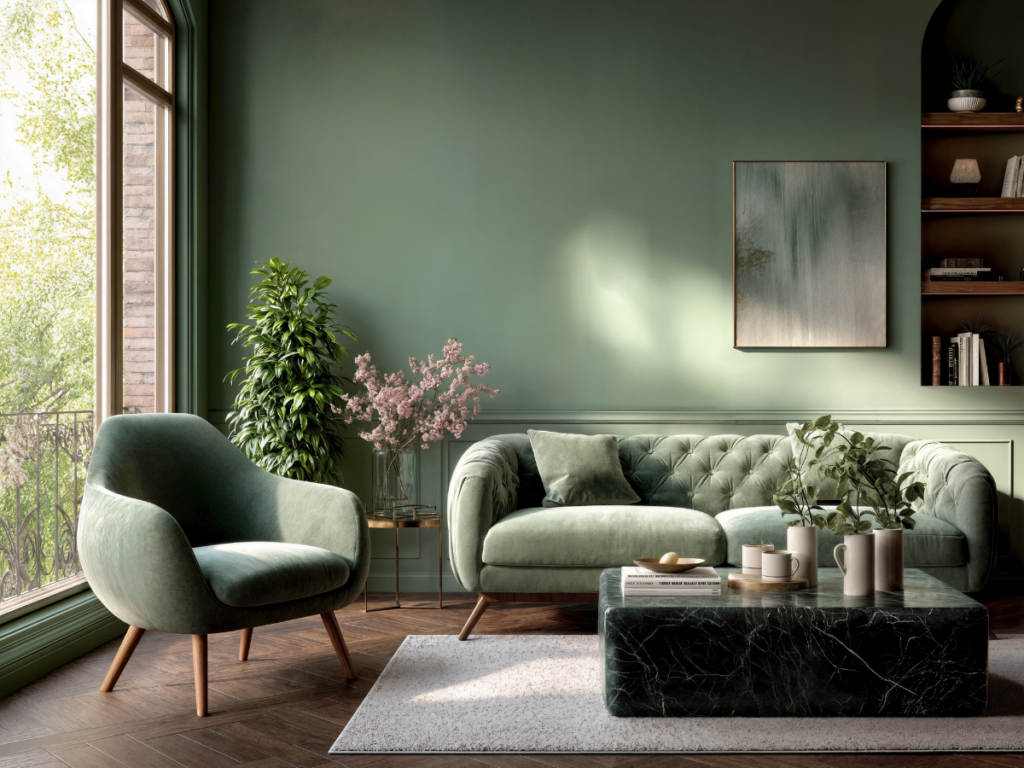
Sustainability has become an important factor in how to choose paint colors for your home, especially as more homeowners pay attention to indoor air quality and long-term environmental impact.
Paint is no longer just about color. The type of product you use can affect both the feel of your space and the air you breathe every day.
Low VOC and zero VOC paints are now widely available, making it easier to choose safer options without limiting your design choices.
These products release fewer chemicals into the air, which can be especially important in bedrooms, kitchens, and other frequently used spaces. As a result, sustainability is no longer a trade-off between health and appearance.
Why Low VOC Paints Matter For Interior Spaces
Low VOC paints help reduce exposure to strong fumes and improve overall air quality inside the home.
This is particularly useful during and after painting, when traditional paints tend to release noticeable odors. For households with children or pets, this can make a meaningful difference in comfort.
From a design perspective, these paints now offer a wide range of finishes and colors. Earlier versions of eco-friendly paint were limited in selection, but that is no longer the case.
Homeowners can now find soft neutrals, bold accents, and everything in between without compromising on performance.
When thinking about how to choose paint colors for your home, it helps to consider where low-VOC products will have the greatest impact. Spaces with less ventilation, such as bathrooms or smaller rooms, often benefit the most.
How Sustainability Affects Color Appearance And Finish
Sustainable paint options can also influence how colors appear once applied. Many eco-friendly paints have a slightly different finish compared to traditional formulas, often leaning toward a more matte or natural look. This can soften the overall appearance of a room and create a more relaxed feel.
Because of this, it is important to test colors before committing. A shade that looks crisp on a sample card may appear more muted on the wall, especially with a matte finish.
Viewing samples under both natural and artificial light can help avoid surprises and ensure the final result matches your expectations.
This step is a key part of how to choose paint colors for your home, regardless of the type of paint you use. With sustainable options, it becomes even more important to see how the finish interacts with your lighting and surfaces.
Balancing Sustainability With Style And Practicality
Choosing eco-friendly paint does not mean sacrificing style. In fact, many current color trends align well with sustainable choices.
Earthy tones, warm neutrals, and softer shades often pair naturally with the finishes found in low-VOC paints. These combinations create a space that feels both current and comfortable.
At the same time, durability still matters. High-traffic areas such as hallways and kitchens require finishes that can withstand regular use.
Many sustainable paints now offer washable or scrubbable options, making them suitable for everyday living without constant maintenance.
In the end, sustainability becomes one more layer in the decision-making process. By considering both environmental impact and visual appeal, it becomes easier to approach how to choose paint colors for your home in a way that supports both your style and your living environment.
How Can Professional Paint Color Consultation Services In Georgia Help You Choose The Right Color?

Choosing the right paint can feel more complicated than expected, especially when lighting, layout, and existing finishes all come into play.
This is where professional consultation can make a noticeable difference. Instead of relying on guesswork, homeowners get structured guidance that considers how a space is actually used.
A consultant typically looks at several factors before recommending colors. These include room function, natural and artificial lighting, and how different areas of the home connect visually.
This approach helps narrow down options and makes the process more manageable. For many homeowners, this added clarity is what makes it easier to understand how to choose paint colors for your home without second-guessing every decision.
Another advantage is the ability to see how colors will work in context. Rather than selecting shades in isolation, recommendations are based on how they interact with flooring, furniture, and architectural details. This leads to a more cohesive result across the entire home.
What Benefits Does Arreguin’s Painting Offer In Color Selection And Application?
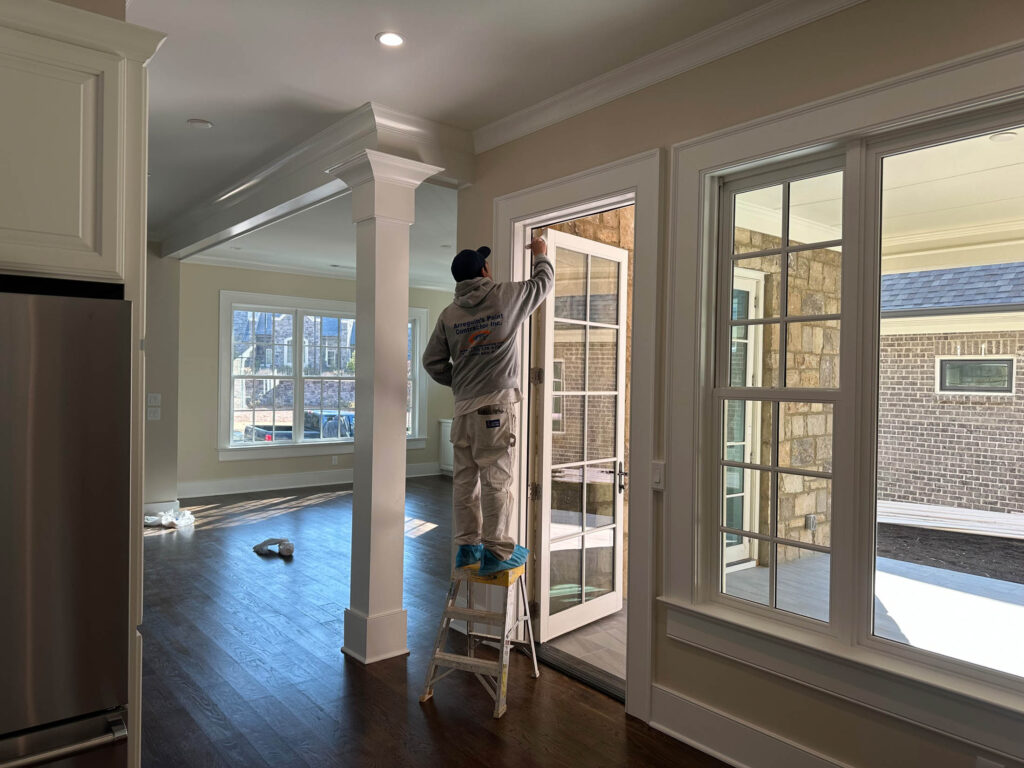
Working with a company like Arreguin’s Painting adds a layer of practical experience to the color selection process. Instead of simply choosing from a chart, homeowners receive tailored recommendations based on their goals, preferences, and the specific conditions of their space.
Arreguin’s Painting focuses on aligning color choices with how each room is used, helping ensure that the final result feels both intentional and functional.
This kind of guidance can be especially useful when coordinating multiple rooms or trying to maintain a consistent look throughout the home.
There is also a strong focus on execution. Color is only part of the outcome, and proper preparation and application play a major role in how it ultimately looks. By combining thoughtful recommendations with careful workmanship, the process becomes more efficient and the results more reliable.
For homeowners trying to navigate how to choose paint colors for their home, working with experienced professionals can help reduce uncertainty and streamline decision-making.
How Professional Insight Supports Better Results
Beyond selecting the right shades, professional input helps ensure that those colors perform well once applied.
Lighting conditions, surface texture, and finish type can all influence how paint appears, and these details are often overlooked without guidance.
Professionals understand how these variables interact and can recommend adjustments when needed. For example, a slightly different finish or undertone may improve how a color reads in a specific room. These small changes can make a noticeable difference in the overall look.
This connection between planning and execution is an important part of how to choose paint colors for your home in a way that holds up over time, not just immediately after the project is finished.
How Can A Free Estimate Support Your Painting Project Planning?
An estimate provides a clearer picture of what the project involves, including materials, scope, and expected timelines.
This helps homeowners make informed decisions before any work begins and allows them to align their choices with their budget.
Working with Arreguin’s Painting, an estimate also helps identify any preparation needs or adjustments early in the process.
Whether it involves surface repairs or selecting the right type of paint, having this information upfront reduces the likelihood of delays or unexpected costs.
Planning ahead in this way supports a smoother experience overall. When color selection is paired with a clear understanding of the project, it becomes much easier to approach how to choose paint colors for your home with confidence and realistic expectations.
Frequently Asked Questions
What Are The Best Ways To Choose A Paint Color For A Small Room?
When working with a smaller space, color choice can have a noticeable effect on how the room feels.
Lighter shades such as soft whites, pale grays, and subtle pastels tend to reflect more light, which can make the space appear more open. Keeping the palette simple also helps reduce visual clutter.
A monochromatic approach often works well in compact areas. Using variations of a single color creates continuity, which makes the room feel less segmented. Adding mirrors or thoughtful lighting can further enhance this effect.
When considering how to choose paint colors for your home, testing samples in the actual room is always a practical step, especially in smaller spaces where lighting plays a bigger role.
How Can You Incorporate Accent Colors Into Your Home Design?
Accent colors are a useful way to add personality without overwhelming a space. Instead of painting every wall in a bold shade, it is often more effective to start with a neutral base and introduce color through smaller areas.
This could include a single feature wall, built in shelving, or even decor elements that tie into the overall scheme.
Consistency matters when using accents. Repeating the same color in nearby spaces helps maintain a sense of flow.
This approach makes it easier to experiment while still keeping the design balanced, which is an important part of how to choose paint colors for your home in a way that feels cohesive.
What Role Does Furniture Color Play In Paint Selection?
Furniture has a strong influence on how wall colors are perceived. Dark wood or heavier pieces often pair well with warm neutrals or softer tones that balance their presence.
On the other hand, lighter or more colorful furniture can benefit from more restrained wall colors to avoid visual competition.
Rather than choosing paint in isolation, it helps to view the room as a whole. Consider how the walls, furniture, and flooring interact with each other. This broader perspective makes it easier to build a palette that feels intentional and connected.
How Can You Ensure Your Paint Choices Feel Timeless?
Trends come and go, but certain color choices tend to remain reliable over time. Shades like soft whites, neutral grays, and muted earth tones continue to work across different styles and settings.
Using these as a base allows for flexibility, making it easier to update the space later without repainting everything.
If you enjoy trend-driven colors, they can still be included in smaller ways. Accessories, textiles, or accent areas allow you to refresh the look without committing to a full room change.
This balance is often key when thinking about how to choose paint colors for your home with long-term appeal in mind.
What Are The Environmental Benefits Of Using Eco Friendly Paints?
Eco-friendly paints are designed to reduce harmful emissions, particularly through lower levels of volatile organic compounds.
This can improve indoor air quality, especially during and after painting. For households that prioritize health and sustainability, this is an important consideration.
These paints are also more widely available than before, offering a range of finishes and colors that work for most design styles.
Choosing them does not limit your options, but it does add another layer of thoughtfulness to the process.
How Can You Coordinate Paint Colors Throughout Your Home?
Creating a consistent look across multiple rooms starts with a clear palette. Selecting a small group of core colors and repeating them in different ways helps tie spaces together.
This does not mean every room needs to look the same, but there should be a sense of connection from one area to the next.
Pay attention to undertones when coordinating colors. Even subtle differences can affect how well shades work together.
Testing samples in adjoining spaces can help you see how colors transition between rooms, making it easier to finalize your choices with confidence.
Find the Perfect Color for Your Home with Confidence
Selecting the perfect paint color for your home is an exciting yet often overwhelming step—one that sets the tone for your entire space and influences how you feel in it every day.
At Arreguin’s Painting, we don’t just apply paint—we help you make confident choices that bring your vision to life with precision and artistry.
Ready to find the color that truly feels like home? Call (770) 378-6726 or visit our website to request your free estimate today. Let our expertise guide you to a result you’ll love for years to come.