A fresh coat of paint can completely change how your home looks and feels, but deciding how to get there isn’t always straightforward.
Should you tackle the project yourself or hire a professional? Professional painting vs DIY painting comes down to more than just cost. It affects time, finish quality, durability, and the overall experience of the project.
While DIY painting can seem like a budget-friendly option, it often requires careful prep work, the right tools, and a significant time investment to achieve clean, lasting results. Professional painters, on the other hand, bring experience, efficiency, and techniques that can deliver a more polished finish.
Understanding the trade-offs between professional painting vs DIY painting helps you choose the option that best fits your schedule, expectations, and long-term goals for your home.
Professional Painting vs DIY Painting: What’s the Difference?
What Are The Key Cost Differences Between Professional Painting Vs DIY Painting?
When comparing professional painting vs DIY painting, cost is often the first factor homeowners consider.
At a glance, doing the work yourself usually looks more affordable. However, the total cost can shift once time, materials, and long-term results are taken into account.
Professional painting typically involves a higher upfront investment. This includes labor as well as higher quality materials that are chosen for durability and finish.
On the other hand, DIY painting tends to have a lower starting cost, especially if you already have basic tools. The difference becomes clearer when you look beyond the initial expense and consider how each option performs over time.
How Do Upfront Costs Compare Between The Two Options?
The most noticeable difference in professional painting vs DIY painting is the initial price. Hiring professionals can range from a few thousand dollars depending on the size of the project, while a DIY approach may cost a fraction of that at the start.
With DIY painting, expenses usually include paint, brushes, rollers, and prep materials. While these costs seem manageable, they can increase quickly if additional coats are needed or if mistakes require repainting. Professional painters often include these materials in their pricing, along with the experience to use them efficiently.
For many homeowners, the decision comes down to whether they prefer to invest more upfront or take on the work themselves to reduce initial spending.
What Long Term Value Should Homeowners Consider?
Looking at long term value helps put professional painting vs DIY painting into better perspective. A professionally completed project often lasts longer because of proper surface preparation, even application, and the use of durable products.
DIY results can vary depending on skill level and experience. While a careful approach can still produce good results, uneven coverage or missed prep steps may lead to faster wear. This can mean repainting sooner than expected, which adds to the overall cost over time.
In this sense, the higher upfront cost of professional painting may balance out by reducing the need for frequent touch ups or full repaints.
Are There Hidden Costs With DIY Painting?
One area that is often overlooked in professional painting vs DIY painting is hidden costs. DIY projects can involve more than just buying paint. Additional tools, drop cloths, tape, and repair materials can add up, especially if they were not part of the original plan.
There is also the cost of time to consider. Painting can take longer than expected, particularly for larger spaces or detailed areas. If mistakes happen, correcting them may require extra supplies or even starting over in certain sections.
Professional painters reduce many of these uncertainties. Their pricing usually reflects a complete process, which can make budgeting more predictable from the beginning.
How Should Homeowners Evaluate The Overall Cost?
Choosing between professional painting vs DIY painting comes down to more than just price. It involves weighing upfront cost against time, effort, and long-term results.
Some homeowners prefer the control and lower initial expense of doing it themselves. Others prioritize consistency and durability, which often come with professional work. By looking at initial costs, long-term value, and potential hidden expenses, it becomes easier to understand which option makes more sense for a specific project.
How Does Hiring Professional Painters Affect Your Budget?
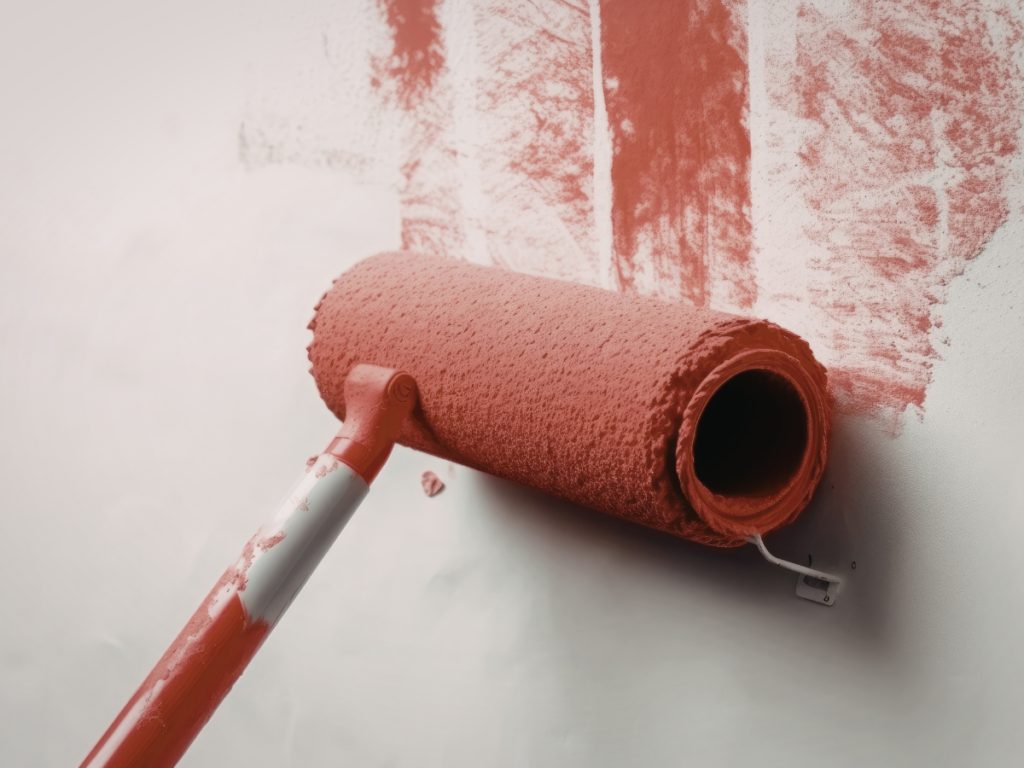
When weighing professional painting vs DIY painting, the impact on your budget is not always as simple as comparing price tags. Hiring professionals usually means a higher upfront cost, but that does not always translate to a higher overall expense in the long run.
Professional painters bring efficiency to the process. They know how to prepare surfaces properly, apply paint evenly, and choose materials that hold up over time.
This often leads to a finish that lasts longer and requires fewer touch-ups. While the initial investment may be higher, the need for future repairs or repainting is often reduced.
Why Upfront Costs Can Be Misleading
At first glance, DIY painting seems like the more affordable option. The cost of supplies is usually lower than hiring a professional, which makes it appealing for homeowners trying to stay within a tight budget.
However, the comparison between professional painting vs DIY painting becomes more complex when you consider everything involved in completing the job.
DIY projects can require more materials than expected, especially if mistakes happen or additional coats are needed.
Tools, prep work, and cleanup supplies can also add to the cost. In some cases, correcting uneven finishes or missed areas leads to buying more paint or starting over in certain sections.
Professional painters typically include these elements in their pricing, which helps avoid unexpected expenses during the project.
How Quality Impacts Long Term Costs
One of the biggest differences in professional painting vs DIY painting is how long the results last. A professionally painted surface is more likely to maintain its appearance over time because of proper preparation and application techniques.
This can have a direct effect on your budget. If a paint job lasts several years without needing major touch-ups, the cost is spread out over a longer period. DIY results may still look good at first, but they can wear down faster if the preparation or materials are not ideal.
Over time, this can mean repainting sooner than planned, which increases the total cost of the project.
Does Professional Painting Add Value To Your Property?
Another factor to consider in professional painting vs DIY painting is the effect on property value. A clean, consistent finish can improve how a space looks, which can be especially important if you plan to sell or rent your property.
Professional work often provides a more polished result, which can make a stronger impression. While DIY painting can still improve a space, inconsistencies in coverage or finish may be more noticeable.
For many homeowners, this added value helps justify the higher initial cost of hiring professionals.
Finding The Right Balance For Your Budget
Choosing between professional painting vs DIY painting comes down to how you want to balance short-term spending with long-term value.
DIY painting can work well for smaller projects or when cost is the main concern. Professional painting may be a better fit for larger areas or when durability and consistency are priorities.
By looking beyond the upfront cost and considering how long the results will last, homeowners can make a more informed decision that fits both their budget and their expectations.
How Do Quality And Longevity Compare Between Professional And DIY Painting?
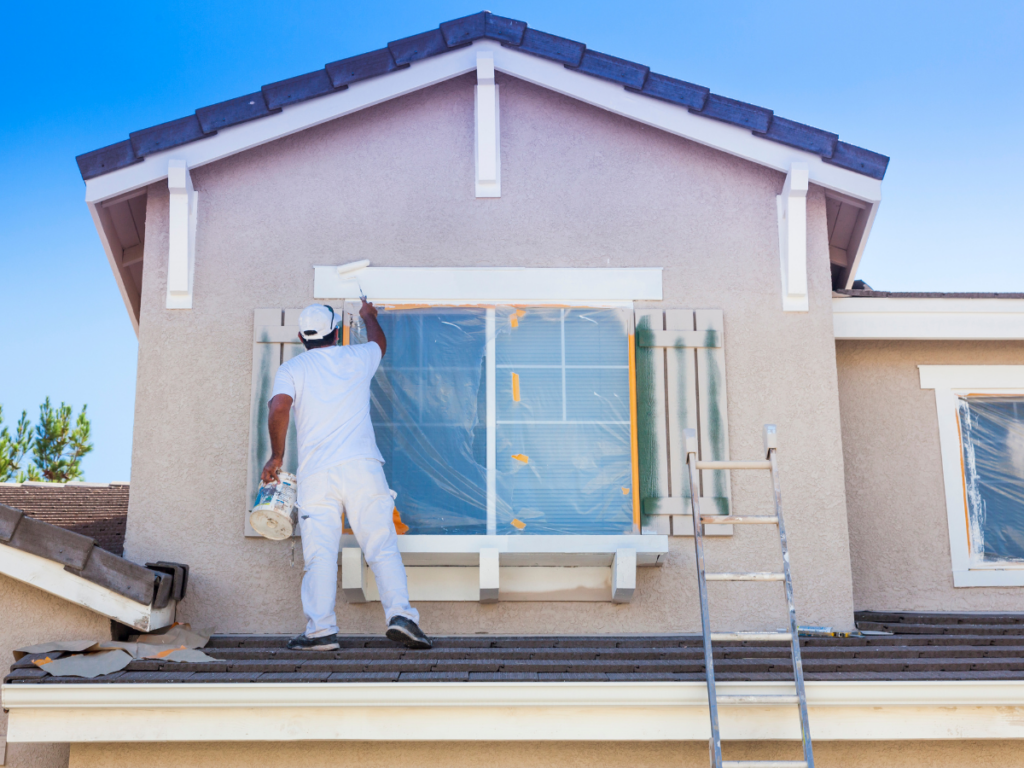
When comparing professional painting vs DIY painting, quality and longevity are often the deciding factors.
While both approaches can improve the look of a space, the difference usually becomes more noticeable over time rather than immediately after the job is finished.
A fresh coat of paint can look good in the short term regardless of who applies it. The real distinction shows up months or years later, when factors like durability, surface preparation, and application technique begin to matter more.
What Impacts The Overall Quality Of A Paint Job?
Quality in painting is closely tied to preparation and consistency. Professional painters tend to follow a structured process that includes cleaning, sanding, priming, and applying paint evenly across surfaces. This approach helps create a smooth, uniform finish that holds up well under daily use.
In the comparison of professional painting vs DIY painting, DIY results can vary depending on experience and attention to detail.
A careful homeowner can achieve a clean finish, but it often requires more time and effort to match the consistency of professional work. Small details, such as brush marks or uneven coverage, are more likely to appear when the process is rushed or unfamiliar.
Lighting also plays a role in how quality is perceived. Inconsistent application may not be obvious right away, but it can become more noticeable as natural light shifts throughout the day.
Why Do Professional Paint Jobs Last Longer?
Longevity is where the gap between professional painting vs DIY painting becomes clearer.
Professional painters typically use materials that are designed to last and apply them in a way that maximizes durability. This includes proper layering, correct drying times, and techniques that help paint adhere better to surfaces.
A longer-lasting finish reduces the need for frequent touch-ups or full repaints. This can make a difference not only in appearance but also in long-term maintenance costs. Surfaces that are painted correctly are less likely to chip, peel, or fade unevenly.
DIY painting can still last, but it often depends on how closely the process follows best practices. Skipping steps like priming or applying uneven coats can shorten the lifespan of the paint. Over time, this may lead to more frequent repairs.
How Do Materials And Techniques Influence Results?
Materials and techniques are central to the discussion of professional painting vs DIY painting.
Higher quality paint often provides better coverage and resists wear more effectively. Professionals tend to choose products based on the specific surface and environment, which helps improve performance.
Technique is just as important. Even application, proper edging, and controlled drying all contribute to a more durable finish. These skills develop with experience, which is why professional results tend to be more consistent.
Which Option Offers Better Long-Term Value?
When evaluating professional painting vs DIY painting, long-term value often depends on how long the results last and how much maintenance is required.
A professional job may cost more upfront, but it often needs less upkeep over time. DIY painting may save money initially, but additional work may be needed sooner if the finish does not hold up.
The choice ultimately depends on priorities. Some homeowners value cost savings and are willing to invest time in the process.
Others prefer a finish that is more consistent and durable from the start. Understanding how quality and longevity differ between the two options can help guide that decision.
What Advantages Do Professional Painting Services Provide in Finish and Durability?
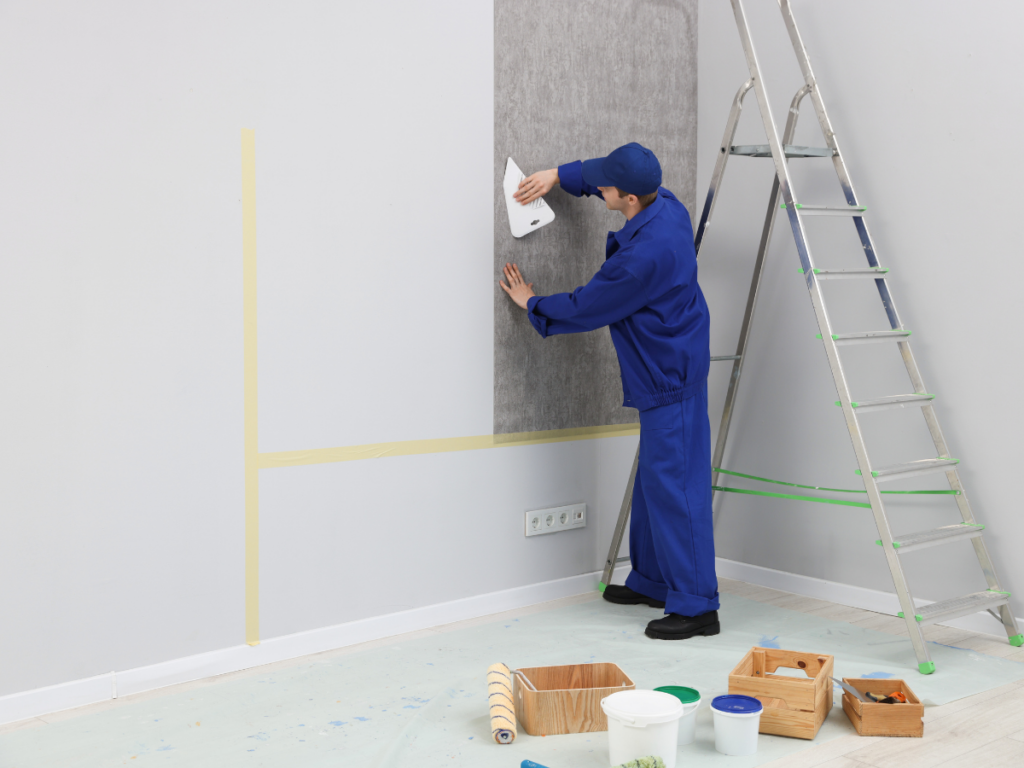
When comparing professional painting vs DIY painting, the advantages of hiring professionals often come down to consistency and how well the results hold up over time.
While both approaches can improve the appearance of a space, professional work tends to deliver a more refined finish and longer-lasting performance.
These differences are not always obvious right away. A freshly painted room may look similar at first glance, but the quality of materials, preparation, and technique can influence how that finish looks months or years later.
How Do Materials Affect The Final Result?
One of the key factors in professional painting vs DIY painting is the type of materials used. Professional painters usually select products based on the surface, environment, and expected wear. This often includes higher-grade paints that provide better coverage and resist fading or peeling.
Better materials can also reduce the number of coats needed. This leads to a more even finish and a stronger bond to the surface.
In contrast, DIY projects sometimes rely on lower cost options, which may require more effort to achieve similar coverage and may not last as long.
Over time, the choice of materials plays a significant role in how durable the paint job remains.
Why Does Experience Make A Difference?
Experience is another important advantage in professional painting vs DIY painting. Professional painters are trained to handle different surfaces and conditions, which helps them apply paint more evenly and avoid common issues.
Techniques such as proper edging, consistent rolling, and controlled drying all contribute to a smoother finish. These details can be difficult to replicate without practice, especially in larger or more complex spaces.
DIY painting can still produce good results, but it often takes more time to achieve a similar level of consistency. Small imperfections may not be noticeable at first, but they can become more visible as the paint settles.
How Does Preparation Influence Durability?
Preparation is often what determines how long a paint job lasts. In professional painting vs DIY painting, professionals typically spend more time preparing surfaces before applying any paint. This can include cleaning, sanding, patching, and priming.
These steps help the paint adhere properly, which reduces the likelihood of chipping or peeling later on. Skipping or rushing preparation can lead to a finish that wears down faster, even if the paint itself is high quality.
A well-prepared surface supports both the appearance and durability of the final result.
What Creates A More Polished Finish?
A polished finish comes from a combination of materials, technique, and attention to detail. Professional painters focus on achieving clean lines, even coverage, and a consistent texture across the entire surface.
This level of detail can be harder to maintain in DIY projects, especially when working across multiple rooms or surfaces. Inconsistent pressure, uneven coats, or missed areas can affect how the final result looks.
When evaluating professional painting vs DIY painting, the difference in finish is often tied to how carefully each step of the process is handled.
Why Do These Advantages Matter Over Time?
The benefits of professional painting extend beyond the initial appearance. A finish that is applied correctly and built on proper preparation is more likely to hold up under everyday use. This reduces the need for frequent touch-ups or repainting.
While DIY painting can save money upfront, professional work often provides a more reliable result over time. For homeowners who want a clean, durable finish that lasts, these advantages can make a noticeable difference in both maintenance and overall value.
What Time And Effort Are Required For Professional Painting Versus DIY Projects?
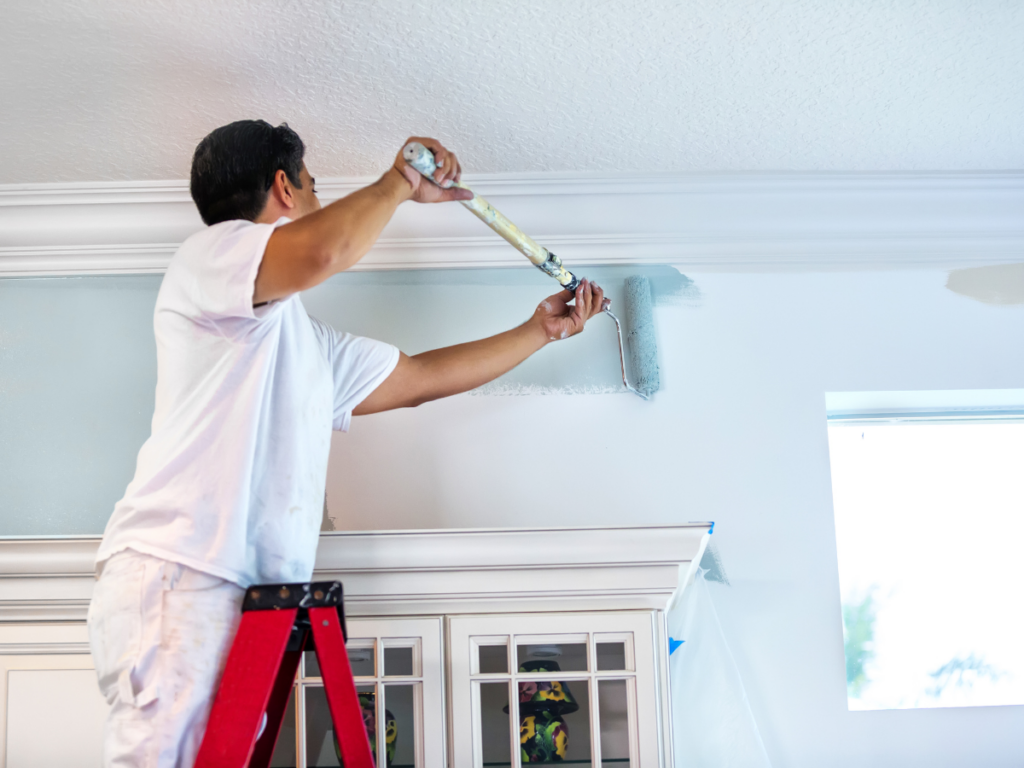
Time and effort are often overlooked when comparing professional painting vs DIY painting, but they can have a major impact on how a project fits into your schedule.
While both options can achieve a refreshed space, the amount of time required to complete the work is very different.
Professional painters are typically able to complete projects more quickly because they work with established processes and the right tools.
DIY painting, on the other hand, often takes longer due to preparation, learning, and the pace of working alone or with limited help.
Why Do Professional Painters Complete Projects Faster?
One of the main advantages of professional painting vs DIY painting is efficiency.
Professional painters are used to managing each stage of the process, from surface preparation to final touch-ups. Because they handle these tasks regularly, they can move through them with fewer delays.
They also work in teams when needed, which allows multiple areas to be completed at the same time. This reduces the overall project length and limits how long a space is disrupted. For homeowners with busy schedules, this can make a noticeable difference.
In addition, professionals use tools that are designed to improve speed and consistency. These tools help maintain quality while reducing the time it takes to finish the job.
How Much Time Does DIY Painting Typically Require?
DIY painting usually involves a greater time commitment. Beyond the actual painting, there is time spent planning, gathering materials, and preparing surfaces. Each of these steps can take longer without prior experience.
Learning as you go is another factor. Tasks such as cutting in edges, applying even coats, and managing drying times can slow down the process. Even small mistakes can lead to additional time spent correcting areas or reapplying paint.
For larger projects, the time required can extend over several days or even weeks, depending on how much can be completed at once. This can make it harder to keep the project moving consistently.
How Does Effort Compare Between The Two Approaches?
Effort is closely tied to time in professional painting vs DIY painting. Professional painters handle the physical work, including setup, painting, and cleanup. This reduces the amount of effort required from the homeowner and allows them to focus on other priorities.
DIY painting requires more hands-on involvement. Moving furniture, taping edges, and applying multiple coats all require time and physical effort. For some homeowners, this can be manageable, but for others, it can become tiring, especially in larger spaces.
The level of effort also depends on the condition of the surfaces being painted. Areas that need more preparation will require additional work, which can extend both time and effort.
How Should Homeowners Factor Time Into Their Decision?
When deciding between professional painting vs DIY painting, it helps to think about how much time you can realistically dedicate to the project.
If you need the work completed quickly or want to minimize disruption, professional painting may be the more practical option.
If you have a flexible schedule and are comfortable investing time into the process, DIY painting can still be a viable choice. The key is understanding that the time savings with professional work often come from experience and efficiency, while DIY projects require a more gradual approach.
By considering both time and effort, homeowners can choose the option that best fits their schedule and expectations.
How Does Professional Expertise Ensure Timely Project Completion?
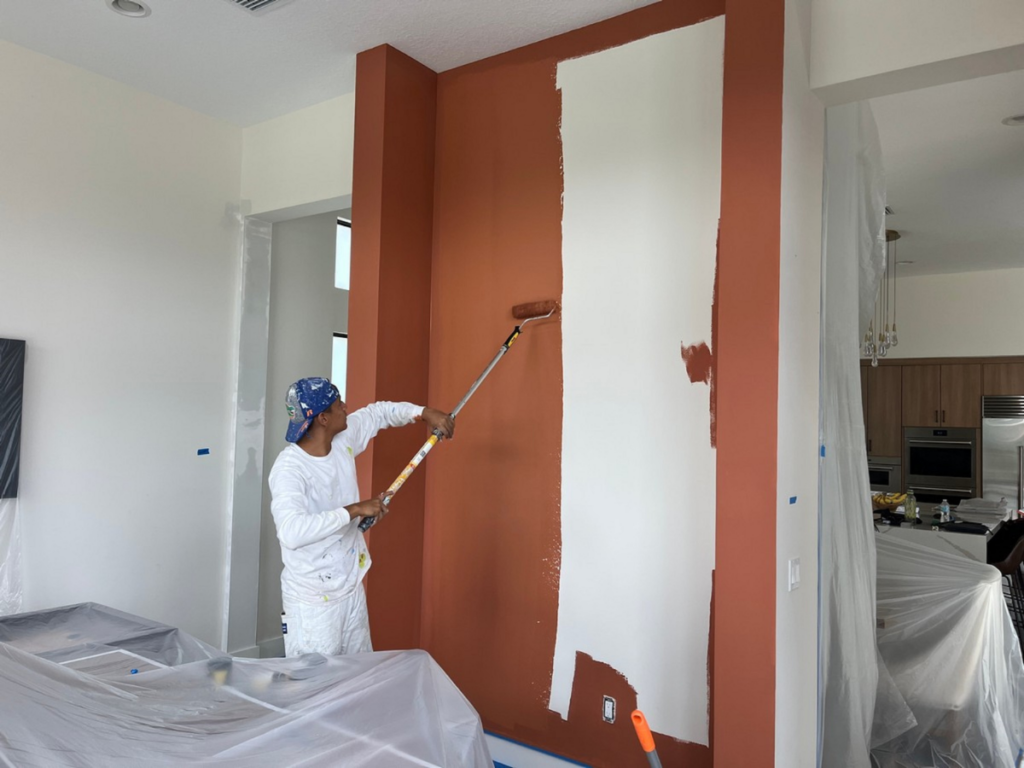
When comparing professional painting vs DIY painting, one of the most noticeable differences is how efficiently the work gets done.
Professional painters rely on structured workflows, the right equipment, and hands on experience to complete projects within a predictable timeline. This approach helps reduce delays while still maintaining a consistent finish.
Timelines matter, especially when painting affects daily routines. Rooms may be temporarily unusable, furniture may need to be moved, and schedules can be disrupted. A well managed project helps limit these interruptions and keeps everything moving forward.
Why Do Established Workflows Make A Difference?
Professional painters follow a clear sequence of steps, which helps keep the project organized from start to finish. Surface preparation, priming, and painting are completed in a logical order, with each stage building on the previous one.
In professional painting vs DIY painting, this level of structure often leads to fewer setbacks.
Because each step is planned in advance, there is less guesswork and fewer interruptions. This allows the team to stay on schedule and complete the job without unnecessary delays.
DIY projects may not follow the same structure, especially for those without experience. Skipping steps or working out of order can slow progress and lead to rework.
How Do Tools And Equipment Improve Efficiency?
Another factor that separates professional painting vs DIY painting is the use of proper equipment.
Professional painters work with tools that are designed for both speed and precision. These tools help cover larger areas more evenly and reduce the time spent correcting mistakes.
Equipment also plays a role in preparation. Sanding tools, sprayers, and specialized rollers can make tasks more efficient while improving the final result. Without these tools, DIY painting often requires more manual effort, which can extend the timeline.
Having access to the right equipment allows professionals to maintain both pace and quality throughout the project.
Why Does Experience Reduce Delays?
Experience is a key reason why professional painting vs DIY painting differs in project completion time.
Professional painters have encountered a wide range of surfaces, conditions, and challenges. This allows them to anticipate potential issues and address them before they become problems.
For example, they can recognize when additional prep is needed or when a surface may require a different approach. This prevents delays that might occur if issues are discovered later in the process.
DIY painters may need to pause to troubleshoot or research solutions, which can slow down progress. Even small uncertainties can add time to the overall project.
How Does Professional Work Minimize Rework?
Rework is one of the biggest factors that can extend a painting project. In professional painting vs DIY painting, professionals reduce the need for rework by applying paint correctly the first time.
Proper preparation, even application, and attention to detail all contribute to a finish that does not require frequent corrections.
DIY projects are more likely to involve touch-ups or adjustments, especially if uneven coverage or missed areas are noticed after the paint dries. These corrections add time and can interrupt the flow of the project.
By minimizing rework, professional painters help keep the timeline consistent and predictable.
What Should Homeowners Consider About Project Timing?
When deciding between professional painting vs DIY painting, it helps to think about how quickly the project needs to be completed.
Professional painting offers a more controlled timeline, while DIY painting may take longer depending on availability and experience.
Understanding how workflows, tools, and expertise influence timing can make it easier to choose the option that fits both your schedule and expectations.
What Preparation Steps Should Homeowners Take Before Painting?
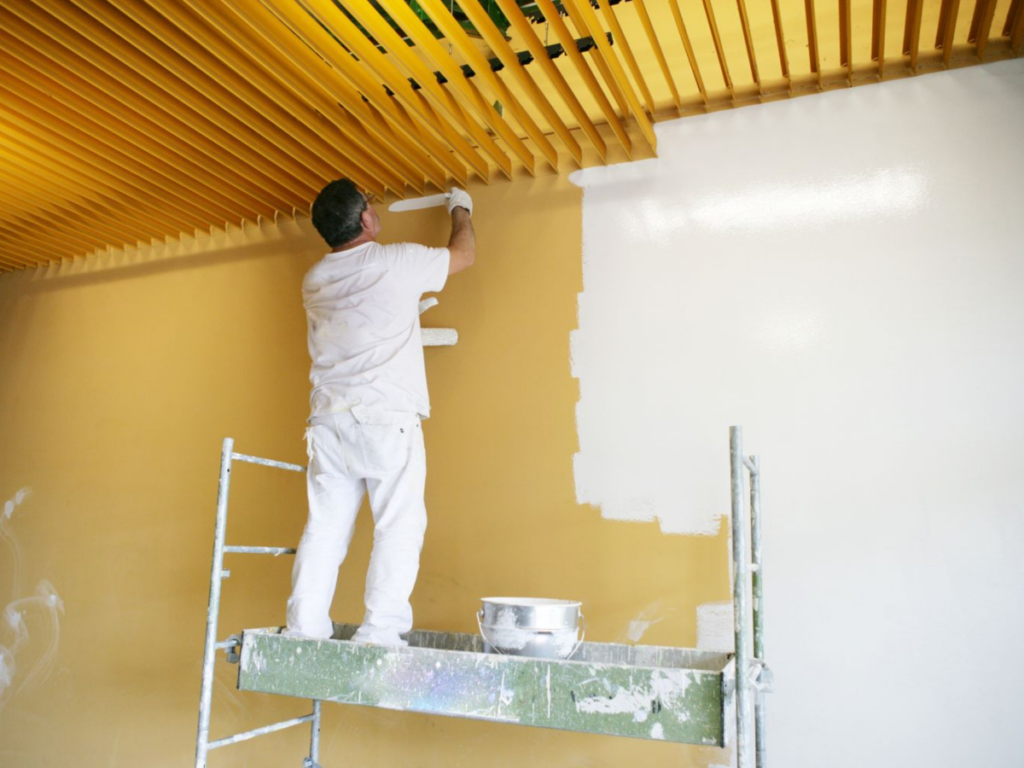
Preparation plays a major role in how a painting project turns out, whether you choose to handle it yourself or compare professional painting vs DIY painting options. Taking the time to plan ahead can reduce delays, improve the final finish, and make the entire process more manageable.
A well-prepared space allows the paint to adhere properly and creates a smoother, more consistent result. It also helps prevent common issues that can lead to extra work later on.
How Should You Assess The Space Before Painting?
Before starting, it is important to take a close look at the area you plan to paint. This includes checking the condition of the walls, trim, and any surfaces that will be covered. Cracks, holes, or uneven areas should be identified early so they can be repaired before painting begins.
Surface condition has a direct impact on the final result. Even high-quality paint will not perform well if it is applied over damaged or unprepared surfaces.
In the discussion of professional painting vs DIY painting, this step is often where professionals stand out, as they tend to be more thorough in identifying and addressing these issues.
Lighting should also be considered during this stage. Natural and artificial light can highlight imperfections that may not be obvious at first glance, so it helps to review the space at different times of day.
What Materials Should Be Gathered In Advance?
Having all materials ready before starting can help keep the project moving without unnecessary interruptions. This includes not only paint, but also brushes, rollers, tape, drop cloths, and any repair materials needed for preparation.
Running out of supplies midway through a project can slow progress and affect consistency. For example, switching paint batches or tools can lead to slight variations in finish. In professional painting vs DIY painting, professionals usually avoid this issue by planning materials in advance and ensuring everything is available from the start.
Choosing the right type of paint is also important. Different surfaces and rooms may require specific products, so it is worth taking the time to match the paint to the space.
How Should You Plan The Project Timeline?
A realistic timeline helps set expectations and reduces stress during the project. Painting is not just about applying color. It also involves preparation, drying time between coats, and cleanup.
Drying time is especially important. Even if paint feels dry to the touch, it may need additional time before another coat can be applied. Rushing this step can lead to uneven coverage or peeling later on.
When comparing professional painting vs DIY painting, professionals often manage timelines more efficiently because they understand how long each stage should take. DIY projects may require more flexibility, especially if you are working around other responsibilities.
Why Does Preparation Make A Noticeable Difference?
Preparation affects both the appearance and durability of the final result. A well prepared surface allows paint to go on smoothly and last longer, while poor preparation can lead to visible flaws and faster wear.
Taking the time to assess the space, gather materials, and plan the timeline helps create a more controlled process.
Whether you are handling the work yourself or weighing professional painting vs DIY painting, these steps make the project easier to manage and improve the overall outcome.
How Can Homeowners In Georgia Choose The Right Professional Painter?
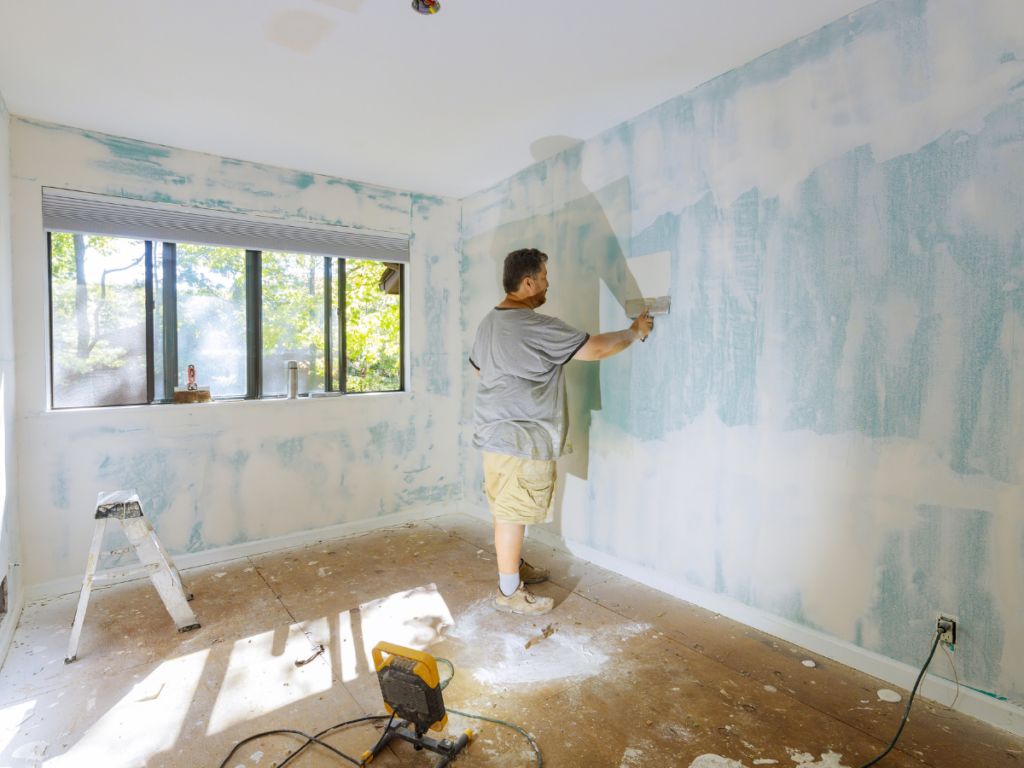
Choosing the right painter can make a noticeable difference in both the process and the final result.
When comparing professional painting vs DIY painting, many homeowners decide that hiring a professional is the better option, but finding the right one still requires some thought.
A good starting point is to look at experience. Painters who have worked on a range of projects are more likely to handle different surfaces and conditions effectively. This often leads to more consistent results and fewer issues during the project.
Reputation also plays a role. Reviews, referrals, and past work can give insight into how a painter approaches their projects.
In the context of professional painting vs DIY painting, this is one of the advantages of hiring someone with a proven track record, since their past results can help set expectations for your own project.
Why Do Materials And Techniques Matter When Choosing A Painter?
Not all painters use the same materials, and this can affect how long the results last. It is helpful to understand what types of paint and finishes are being used, especially for areas that experience more wear.
Painters who take the time to match materials to the surface and environment tend to deliver more durable results.
This is another key difference in professional painting vs DIY painting, where professionals often rely on products that are selected for performance rather than just cost.
Technique is just as important. A painter who focuses on proper preparation and careful application is more likely to produce a smooth, even finish. These details may not be obvious at first, but they become more noticeable over time.
How Can You Evaluate Attention To Detail?
Attention to detail often shows up early in the process. The way a painter handles an estimate or initial walkthrough can reveal how they approach the work.
Clear communication, careful measurements, and thoughtful recommendations are all signs of a more thorough process.
This level of detail can carry through the entire project. Clean edges, even coverage, and proper cleanup are all indicators that the work was handled carefully. When comparing professional painting vs DIY painting, this is where professional work often stands out.
Taking the time to observe how a painter approaches these early steps can help you decide whether they are the right fit.
What Criteria Define A Reliable Painting Service In Georgia?
Reliable painters tend to share a few consistent qualities. Experience and reputation are often the most visible, but they are supported by other factors such as material selection and overall consistency in their work.
A painter who uses durable materials and follows a clear process is more likely to deliver results that last. Customer feedback can also provide useful insight, especially when it reflects consistent satisfaction across multiple projects.
In professional painting vs DIY painting, these standards help explain why many homeowners choose to work with professionals. The combination of experience, materials, and attention to detail can lead to a more predictable outcome.
How Should Homeowners Compare Their Options?
Comparing painters involves looking at more than just pricing. It helps to consider how each option aligns with your expectations for quality, timeline, and long-term durability.
By focusing on experience, materials, and overall approach, homeowners in Georgia can make a more informed decision.
How To Request A Painting Estimate And Set Clear Expectations
Requesting an estimate is an important step when comparing professional painting vs DIY painting. Even if you are still deciding which route to take, getting an estimate helps you understand the scope of the project, expected costs, and how long the work might take.
The process is usually straightforward. Most painters provide a way to submit basic project details, either through a website or by reaching out directly. Sharing accurate information at this stage helps ensure the estimate reflects what the project actually requires.
What Information Should You Prepare Before Requesting An Estimate?
Before reaching out, it helps to gather a few key details about your space. This includes the size of the area, the type of surfaces being painted, and whether any repairs or preparation work is needed. The more specific you can be, the more accurate the estimate will be.
You should also think about your timeline. If you have a specific window for completing the project, mentioning it early can help determine whether the schedule is realistic. In the context of professional painting vs DIY painting, this step can also highlight how timelines differ between handling the work yourself and hiring a professional.
Clear information upfront helps avoid confusion later and makes the entire process smoother.
How Can You Communicate Your Project Clearly?
Good communication is key when requesting an estimate. Describing what you want in simple terms can help avoid misunderstandings and ensure both sides are aligned. This includes explaining which areas need to be painted, any color preferences, and whether there are details such as trim or ceilings involved.
It can also help to mention any concerns you have about the space. For example, if walls are damaged or if certain areas are harder to reach, pointing this out early allows for a more accurate assessment.
When comparing professional painting vs DIY painting, this level of clarity can also help you better understand what is included in a professional estimate versus what you would need to handle on your own.
Why Does The Estimate Process Matter?
An estimate is more than just a price. It provides a clearer picture of how the project will be approached. This includes preparation, materials, and the expected timeline. Reviewing these details can help you decide whether hiring a professional aligns with your expectations.
For homeowners considering professional painting vs DIY painting, this step often brings more clarity to the decision. It allows you to weigh the cost of hiring a professional against the time, effort, and materials required for a DIY project.
How Does This Step Help With Decision Making?
Requesting an estimate helps turn a general idea into a more defined plan. Instead of guessing about costs or timelines, you have concrete information to work with. This makes it easier to compare options and choose the approach that fits your needs.
Whether you decide to move forward with professional painting or take on the project yourself, starting with a clear understanding of the work involved can lead to better results.
Frequently Asked Questions
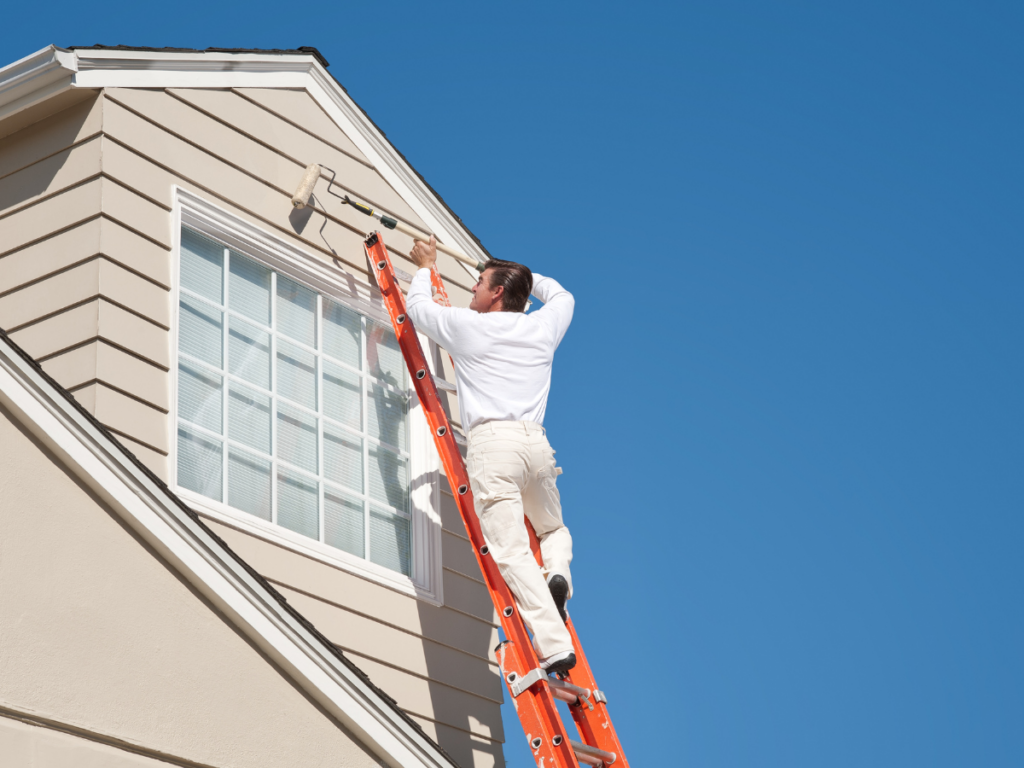
What Are The Benefits Of Hiring A Professional Painter Over DIY?
When comparing professional painting vs DIY painting, one of the main advantages of hiring a professional is consistency. Experienced painters understand how to prepare surfaces, apply paint evenly, and choose materials that last. This often leads to a smoother finish and fewer issues over time. Professional work is also typically completed faster, which reduces disruption and keeps the project on schedule. In many cases, it can also lower the chances of needing corrections later.
How Can I Ensure The Longevity Of My DIY Paint Job?
If you choose the DIY route, preparation is the most important step. Cleaning surfaces, repairing imperfections, and using a primer when needed all help paint adhere properly. Applying thin, even coats and allowing enough drying time between layers can improve durability. In the context of professional painting vs DIY painting, these steps help narrow the gap in quality and extend how long the results last.
What Should I Look For In A Professional Painting Contract?
A clear contract helps set expectations for both sides. It should outline the scope of the project, the materials being used, and the expected timeline. Payment terms and any warranty details should also be included. When reviewing a contract, it is helpful to look for clarity and consistency, as this often reflects how the project will be managed from start to finish.
Are There Specific Types Of Paint Recommended For Different Rooms?
Different areas of the home benefit from different types of paint. Spaces with more moisture, such as kitchens and bathrooms, often require finishes that are easier to clean and more resistant to humidity. Living areas may use finishes that provide a softer appearance while still being durable. Choosing the right paint for each room can improve both appearance and longevity, which is an important consideration in professional painting vs DIY painting.
How Can I Prepare My Home For A Painting Project?
Preparing your home ahead of time can make the process smoother. Moving or covering furniture, protecting floors, and addressing small repairs before painting begins all help improve efficiency. Clear communication about preferences, such as colors or specific areas of focus, also helps ensure the final result meets expectations.
What Are The Environmental Impacts Of Painting, And How Can I Minimize Them?
Painting can have environmental impacts depending on the materials used. Choosing low or zero VOC paints can help improve indoor air quality. Proper disposal of leftover paint and using reusable tools where possible can also reduce waste. These choices make a difference regardless of whether you choose professional painting vs DIY painting.
How Can I Find Reliable Reviews For Professional Painters In My Area?
Finding reliable feedback often involves looking at multiple sources. Online review platforms, project photos, and recommendations from people you trust can provide a clearer picture of a painter’s work. Consistent positive feedback across different projects is usually a good sign. Taking the time to compare options can help you feel more confident in your decision.
Trust Arreguin’s Painting for Your Next Home Painting Project
Choosing between professional painting and DIY comes down to budget, time, and the level of finish you want: professionals provide consistent, longer-lasting results, while DIY can save money if you plan carefully and use proper materials and technique.
However, when it comes to transforming your home with precision, efficiency, and a flawless finish that stands the test of time, nothing compares to the expertise of a trusted professional.
For superior craftsmanship, meticulous attention to detail, and peace of mind from start to finish, trust Arreguin’s Painting. Ready to give your home the refresh it deserves?
Reach us by giving us a call at (770) 378-6726 or get a free estimate through our website form and experience the difference that true professionalism makes. Let us bring your vision to life with quality you can see and trust.